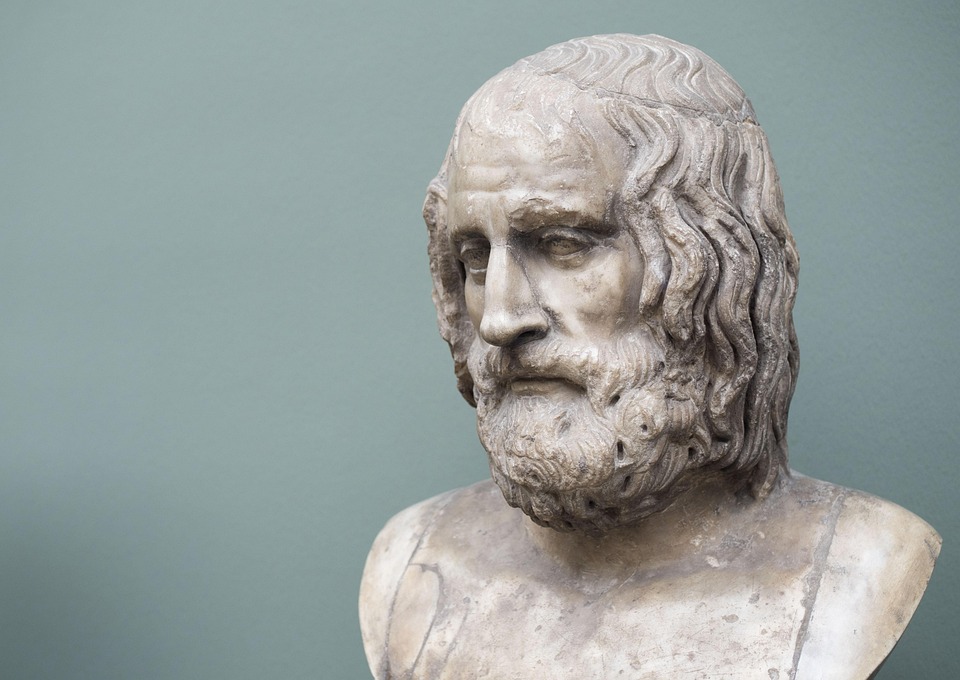
From the marble of Michelangelo to the algorithms of 3D modeling, sculpture has always reflected the technology of its time. Today, digital tools are redefining what it means to shape form, merging ancient craftsmanship with cutting-edge innovation.
Artists now use 3D scanners, modeling software, and CNC machines to bring their visions to life. Yet, even in this digital era, the sculptor’s touch remains essential. The translation from idea to object still requires intuition — the sensitivity to understand how light moves across a surface, or how space interacts with form.
Bronze and marble coexist with resin, recycled plastic, and even data-driven materials. Each piece becomes a dialogue between permanence and transformation.
The future of sculpture is not replacing tradition — it’s expanding it. The artist’s chisel has become a stylus, but the goal remains the same: to give shape to emotion, memory, and human imagination.